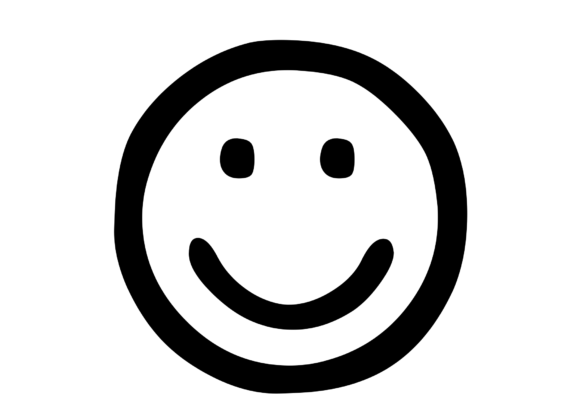
New Web Ding Smilie Icon
First Impressions: A Friendly, Clean Spark
When I opened New Web Ding Web Element Smilie Icon, my first thought wasn’t “cute” or “trendy”—it was “clear.” The shape is instantly legible at small scale: a round, open-faced smile with balanced proportions and clean negative space. There’s no excessive detail—no eyelashes, no shading, no gradient fill—just confident curves and intentional simplicity. That’s not a limitation; it’s an advantage for embroidery. As a designer who’s stitched hundreds of icons across baby onesies, boutique aprons, and Etsy patches, I know this kind of clarity translates directly into stitch reliability. It feels friendly without being childish, modern without feeling cold—ideal for brands that want approachability with polish.
Real-World Use: From Tote Bag to Nursery Pillow
Last week, I tested New Web Ding Web Element Smilie Icon as the centerpiece on a custom organic cotton tote for a local coffee roaster’s holiday pop-up. We paired it with minimal text and stitched it in soft heather gray thread on natural canvas. The result? Crisp edges, zero skipped stitches, and immediate recognition—even from three feet away. Customers smiled before they read the logo. That’s the power of a well-balanced smilie in embroidery: it signals warmth, care, and human touch. I’ve also used it on a set of linen tea towels for a handmade kitchen shop—it worked beautifully as a subtle corner accent, not competing with hand-stitched monograms but reinforcing brand consistency. For baby embroidery? Yes—but only on stable, pre-washed cotton or interlock knit, with lightweight cutaway stabilizer. On stretchy jersey or thin voile? Not without significant digitizing tweaks (which this SVG doesn’t include).
Where It Shines—and Where to Pause
New Web Ding Web Element Smilie Icon excels in medium-to-large applications: sweatshirt chest logos, embroidered patches (especially heat-seal or sew-on backing), pillow covers, and cap front placements where fabric curvature is gentle. Its open shape avoids dense fill-stitch congestion, so stitch density stays manageable—even on budget embroidery machines. That means fewer thread breaks, smoother satin-stitch borders, and cleaner running-stitch outlines if you choose to simplify further.
But be thoughtful about context. On dark fabric, test contrast early: a pale yellow or cream thread may disappear unless you add a white underlay (not built into the original SVG). On textured fabrics like terry cloth or bouclé, the smooth silhouette can get visually “lost”—so consider pairing it with a subtle border stitch or using it on flat panels only (e.g., the center of a towel, not the looped side). And avoid placing it near tight seams, curved brims, or layered garments unless you’ve confirmed hoop clearance and fabric stability first.
What It Adds to Your Finished Product
- Visual appeal: Its symmetry and spacing create instant visual rest—critical for products people hold, wear, or gift.
- Stitching clarity: No fine interior lines or micro-details mean consistent results across machine types and skill levels.
- Product value: Feels intentional and curated—not clipart-y—so customers perceive higher craftsmanship in your handmade product or custom apparel.
- Brand consistency: Works equally well solo or as part of a larger design system (e.g., alongside simple web elements or minimalist typography).
- Giftability: That warm, inclusive expression reads as sincere—not ironic or detached—making it strong for personalized gifts, wedding favors, or nursery decor.
Practical Designer Notes Before You Stitch
Before adding New Web Ding Web Element Smilie Icon to your next embroidery project, do these five things:
- Test it on scrap fabric *exactly* like your final material—same weave, weight, and pre-wash status.
- Check thread color contrast in both natural and artificial light; mock it up digitally on light and dark backgrounds.
- Review stitch density: if your embroidery file includes fill areas, confirm they’re not overly dense for your fabric type.
- Confirm hoop size compatibility—this icon scales well, but tiny versions (<1.25") may lose definition on low-res machines.
- Verify licensing: since it’s labeled a Web Element and Graphics asset, double-check whether commercial use (e.g., selling finished embroidered totes on Etsy) is permitted before listing.
Final Thought: Simplicity With Substance
New Web Ding Web Element Smilie Icon isn’t flashy—but it doesn’t need to be. In a market crowded with over-digitized, trend-chasing designs, its quiet confidence stands out. It works because it respects the limits and language of real-world embroidery: clean lines, forgiving scale, and emotional resonance that survives the stitch. Whether you're a craft business owner building a cohesive line of embroidered kitchen goods, an Etsy seller refreshing holiday listings, or a small shop curating boutique branding—it’s a reliable, human-centered design asset. Just remember: even the friendliest smilie needs proper stabilizer, smart thread choices, and a moment of testing before it goes live on your next finished product.