New UI Web Ding Attach Icon
First Impressions: Clean, Modern—But Does It Stitch Well?
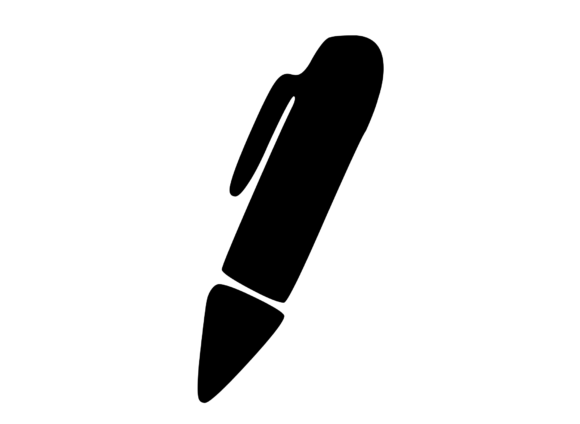
When I opened New UI Web Ding Web Element Attach Icon for the first time, I felt that familiar designer pause—the kind that happens when a shape looks sharp on screen but makes you wonder how it’ll translate to thread and fabric. It’s minimalist, with clean lines and a subtle “clip” motif suggesting connection or attachment. Visually, it reads as digital-native: confident, uncluttered, and slightly tech-adjacent without being cold. That’s promising—but embroidery isn’t about pixels. It’s about how a stitch lands, how thread catches light, and whether a customer glancing at your tote bag or baby onesie *feels* the intention behind the detail.
A Real Project Test: Embroidering It on a Linen Tea Towel
I tested New UI Web Ding Web Element Attach Icon on a natural linen tea towel—medium-weight, slightly textured, no stretch. My goal? A small-batch boutique product: monogrammed kitchen linens for holiday gifting. I placed the icon just above the hem, sized to 1.8" wide. Right away, its simplicity worked in my favor: no dense fill areas, no tiny interior cutouts, no overlapping satin-stitch zones that could cause puckering. The outer contour is crisp, and the inner negative space stays legible even at this scale. Customers who see it won’t mistake it for a generic clip—they’ll recognize it as intentional design language, quietly reinforcing brand cohesion across digital and physical touchpoints.
Where It Shines (and Where It Needs Caution)
- Custom apparel: Works beautifully on sweatshirt cuffs, pocket corners, or sleeve accents—especially on mid-weight cotton or fleece where stitch definition holds.
- Embroidered patches: Its balanced proportions and open structure make it ideal for sew-on or iron-on patches. No risk of thread buildup in tight corners.
- Baby embroidery: Gentle enough for onesies and burp cloths—low stitch density means softness stays intact, and the clean shape reads clearly even on delicate fabrics.
- Holiday embroidery & personalized gifts: Paired with a simple name or date, it adds modern charm to ornaments, stockings, or nursery pillows—without competing visually.
- Etsy seller & small shop product: As a standalone motif or paired with minimal typography, it elevates handmade presentation without overcomplicating production.
That said—New UI Web Ding Web Element Attach Icon isn’t universally forgiving. On thin fabric like voile or lightweight rayon, I’d add tear-away stabilizer beneath *and* a light topping to prevent thread pull-through. On stretchy fabric like jersey, skip the direct hoop-and-stitch approach—use a cutaway stabilizer and reduce stitch speed. And on dark fabric, test contrast carefully: light thread can disappear in subtle gradients unless you choose a high-visibility color like ivory, mustard, or true white—not off-white.
What It Adds to Your Finished Product—Beyond Aesthetics
This isn’t just decoration. When customers see New UI Web Ding Web Element Attach Icon stitched cleanly on a handmade item, it signals attention to detail—even if they don’t know design terminology. That builds customer trust. For Etsy sellers, that subtle polish improves perceived value: buyers are more likely to pay $38 for a custom embroidered apron with this icon than $29 for one with a cluttered, over-rendered alternative. It also supports brand consistency: use it across your website favicon, packaging sticker, and physical products, and your craft business feels cohesive—not pieced together.
Practical Embroidery Designer Notes
Before stitching New UI Web Ding Web Element Attach Icon into your next project:
- Always test on scrap fabric first—especially if using textured, dark, or stretchy materials.
- Check thread color contrast in both natural and artificial light; what reads well on screen may fade on fabric.
- Review stitch density: this design avoids heavy fills, but confirm no overlapping runs or unnecessary underlay in your editing software.
- Verify hoop size compatibility—its compact footprint suits standard 4x4 hoops, but double-check before batching.
- Inspect small details at actual stitch-out size: the “clip” hinge point should remain distinct, not merge into a blob.
- Test in black and white mockups to assess silhouette strength—this icon holds up well, but always verify.
- Compare performance on light and dark fabric backgrounds; adjust top thread or stabilizer accordingly.
- Use appropriate stabilizer: medium-weight cutaway for knits, tear-away for stable wovens, topping for napped or fuzzy surfaces.
- Confirm licensing terms before selling finished items or bundling it into digital embroidery files—it’s labeled for crafters and designers, but commercial use rights must be verified directly.
Fitting Into Your Creative Workflow
As a machine embroidery design, New UI Web Ding Web Element Attach Icon slots neatly into multiple roles: a subtle branding accent on an embroidered patch, a functional yet stylish marker on a custom tote bag design, or a quiet signature on a holiday embroidery collection. It’s not meant to dominate—it’s meant to anchor. That makes it especially useful for creative entrepreneurs who want to reinforce identity without shouting. Whether you’re prepping printable mockups for your Etsy listings, building a cohesive line of nursery decor, or adding finishing touches to craft fair merchandise, this icon delivers clarity, consistency, and quiet confidence.
Last Thought: Simplicity With Purpose
In a landscape crowded with ornate, over-engineered graphics, New UI Web Ding Web Element Attach Icon stands out by doing less—and doing it well. It doesn’t try to be everything. It’s a focused tool: precise, adaptable, and built for real-world making. If your craft business values intention over ornament, clarity over clutter, and thoughtful execution over flash—that’s where this icon earns its place in your design assets.