Ghost Collection Hand Drawn: Graphics & Web Elements
As someone who’s launched over 200 digital product listings across Etsy, Creative Fabrica, and Shopify — mostly for planners, Canva templates, and print-on-demand merch — I opened Ghost Collection Hand Drawn expecting whimsy. What I got was a tightly curated, commercially viable set of hand-drawn illustrations that immediately sparked three new product ideas.
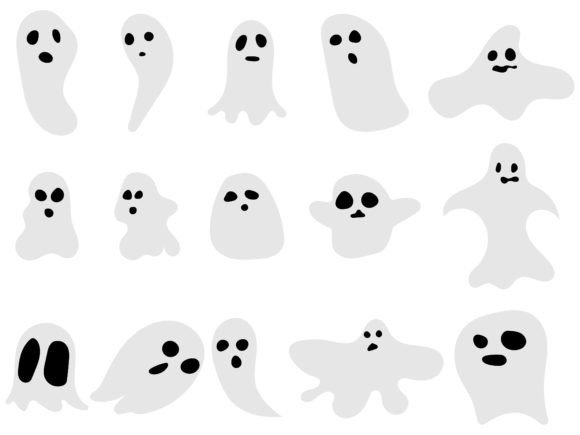
The first impression? Playful but precise. These aren’t scribbled doodles — they’re confident, slightly imperfect line drawings with gentle tapering strokes, subtle texture, and intentional negative space. Think friendly ghosts with soft curves, floating lanterns, tiny stars, crescent moons, and minimalist haunted house silhouettes. The mood leans festive yet timeless — perfect for Halloween, but also adaptable for “spooky season” content, cozy autumn branding, or even lighthearted spiritual wellness themes. It feels handmade without sacrificing scalability — a rare balance in hand-drawn web elements.
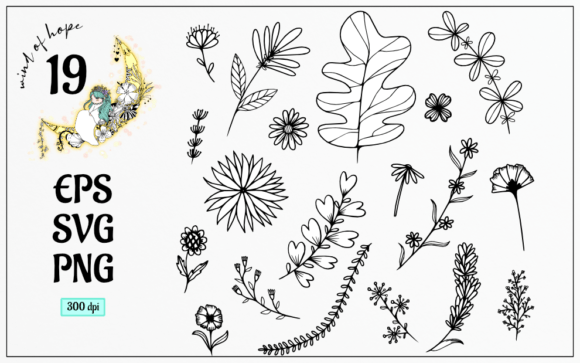
You’ll receive 75 high-resolution PNG files (300 DPI, transparent background), 75 SVG files optimized for both vertical and horizontal layouts, four EPS files grouping key motifs, one comprehensive Illustrator file with all layers labeled, and four JPG previews for quick reference. No fluff. No duplicate files disguised as variations. Just clean, production-ready design assets.
For Etsy sellers building seasonal bundles, Ghost Collection Hand Drawn works especially well as a core graphic design asset in printable wall art sets, planner sticker sheets, and greeting card collections. I tested the PNGs in a digital sticker pack for Canva users — the transparency held up perfectly, and the line weight stayed crisp even when scaled down to 0.8 inches. As SVG designs, they cut cleanly on my Cricut Maker for vinyl ghost decals and iron-on transfers. No jagged edges, no stray anchor points. That’s critical when you’re shipping physical sticker packs or POD mugs.
This collection shines in visual storytelling. I dropped one of the larger ghost illustrations into a mockup of a ceramic mug — it anchored the composition instantly. Paired with a simple serif font for “Boo Crew” and a muted sage background, it felt premium, not generic. That kind of perceived value lifts click-through rates, especially in crowded marketplaces where thumbnail appeal makes or breaks a listing. For social media graphics, the horizontal SVGs worked beautifully as Instagram story banners; the vertical ones slotted neatly into Pinterest pins for printable decor guides.
Where does it fit best? Large-format printable designs (8x10 wall art, A4 nursery prints), themed digital download bundles (“Spooky Planner Kit”, “Halloween Social Media Pack”), sublimation designs for tumblers and tote bags, and layered Canva templates where users swap fonts and colors. The consistent line weight and open shapes make it easy to recolor in bulk — essential if you’re prepping 10+ color variants for a POD store.
But it’s not universally plug-and-play. Avoid using the most detailed ghosts (like those with tiny hats or layered ribbons) in tiny sticker formats under 0.5 inches — fine details vanish at small scale. Don’t force them into text-heavy templates where visual hierarchy suffers; these illustrations demand breathing room. And while most SVGs cut cleanly, I double-checked the “ghost with banner” design — its thin banner stroke required a slight stroke expansion in Illustrator before cutting for Cricut. A minor fix, but worth testing early.
Before publishing any product using Ghost Collection Hand Drawn, here’s what I do: First, drop a PNG onto a white and dark mockup thumbnail — does it pop? Does contrast hold? Second, open an SVG in Cricut Design Space and run a test cut on scrap vinyl — check for stray nodes or overlapping paths. Third, print a sample on matte photo paper — verify color fidelity and edge sharpness. Fourth, preview the full bundle folder structure — are files named clearly? (Mine were: “ghost_01_horizontal.svg”, “ghost_01_vertical.svg”, etc.) — because your customers will judge professionalism by organization.
Font pairing matters too. These illustrations pair naturally with soft serifs (Cormorant Garamond), friendly sans-serifs (Quicksand), and light script fonts (Dancing Script) — but avoid heavy display fonts that compete with the hand-drawn lines. I used a thin handwritten font for a “Trick or Treat List” printable, and the contrast elevated the whole piece.
Commercial license clarity is non-negotiable. I confirmed this collection includes an extended commercial license — meaning you can sell finished products (mugs, stickers, digital downloads) without per-item fees. But always re-read the license terms: some sellers restrict use in logos or resale as standalone clipart. Here, it’s clear — you can use these as part of your own original designs, templates, and merchandise, which covers 95% of small business branding needs.
For creative entrepreneurs building cohesive brand identities, Ghost Collection Hand Drawn isn’t just clipart — it’s a flexible visual language. Use the same ghost motif across a blog header, Instagram highlight icon, printable packaging tag, and Canva email template. That repetition builds recognition, especially for handmade businesses leaning into a specific aesthetic.
One last note: don’t underestimate how much time this saves. Instead of sketching, scanning, cleaning, vectorizing, and exporting 75 variations yourself — time that could go toward listing optimization or customer service — you get production-ready web elements with consistent spacing, alignment, and export settings. That efficiency compounds across every product you launch.
If you’re curating a seasonal digital download shop, building a POD t-shirt line, designing Cricut project kits, or creating Canva templates for crafters, Ghost Collection Hand Drawn delivers real utility — not just charm. It’s the kind of graphic design asset that quietly elevates your entire product lineup, turning functional items into desirable, on-brand creative marketplace offerings.