Windows Collection: A Designer’s Real-World Embroidery Review
First Impressions: Light, Airy, and Quietly Versatile
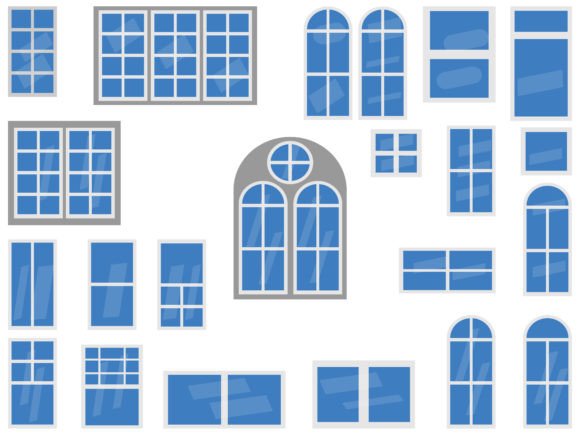
Opening the Windows Collection felt like lifting a curtain on a sunlit room — clean, calm, and full of quiet intention. These aren’t bold monograms or playful icons; they’re delicate outlines, subtle architectural silhouettes, and stylized window frames that suggest openness, reflection, and gentle structure. The mood is serene but not sterile — think nursery wall art, minimalist aprons for a boutique café, or embroidered tea towels for a small-batch kitchen goods shop. As a designer who’s stitched hundreds of client projects, I immediately saw how this collection bridges function and feeling: it reads as handmade without shouting, elegant without stiffness.
Real Project Test: A Linen Tote Bag for a Local Bookstore Pop-Up
I tested Windows Collection on a natural linen tote — medium-weight, slightly textured, no stretch. Chose one of the smaller frame motifs (a simple arched window with crossbar) for the lower left corner. Stitched in soft ecru thread on oat-colored fabric. The result? Crisp, legible, and quietly confident. Customers paused to trace the shape with their fingers — not because it was flashy, but because it felt *considered*. That’s the power of restraint done well. It didn’t compete with the bookstore’s logo or overwhelm the tote’s utility. It added warmth, identity, and a handmade signature — exactly what small shops need from embroidery.
Where Windows Collection Shines (and Where It Asks for Care)
This isn’t a “throw-it-on-and-go” design set. Its strength lies in thoughtful placement and context. Here’s where it delivers:
- Custom apparel: Works beautifully on sweatshirt cuffs, back yokes, or chest pockets — especially on structured fabrics like cotton twill or midweight denim.
- Baby embroidery: The clean lines and absence of tiny interior details make it ideal for onesies and burp cloths — no risk of stiff, bulky stitching against delicate skin.
- Embroidered patch: Several motifs scale cleanly to 2–3" patches. I stitched one onto chambray and backed it with tear-away stabilizer — crisp edges, no puckering.
- Holiday embroidery & wedding gifts: Pair a simple window motif with a monogram or date for timeless baby blankets, guest towels, or keepsake pillows.
- Digital product previews: The included PNGs and SVGs render flawlessly in printable mockups — essential for Etsy sellers showing realistic product shots before stitching.
But — and this matters — Windows Collection asks for attention in certain situations:
- Small hoop sizes: Some larger compositions exceed 4x4". Check individual file dimensions before hooping.
- Textured or stretchy fabric: On slubbed linen or lightweight knits, use medium cutaway stabilizer and reduce stitch density if possible — fine outlines can blur without proper support.
- Dark fabric: The designs rely on shape and contrast. Test thread colors carefully — a pale gray satin stitch on navy can disappear unless you boost density or add an underlay.
- Curved surfaces (caps, hats): Stick to the simplest, most open motifs. Avoid anything with tight inner corners — they’ll distort on curved crowns.
- Frequent washing: Since many are outline- or low-fill designs, reinforce high-wear areas (like tote bag handles) with a second pass or denser fill stitch where appropriate.
What It Adds to Your Finished Product — Beyond the Stitch
Using Windows Collection doesn’t just add decoration — it adds intention. On a handmade product, that translates directly to perceived value. Customers don’t just see “a stitched window”; they sense care, curation, and quiet confidence in your brand voice. For an Etsy seller, that means fewer questions about “what does this mean?” and more engagement around aesthetics and story. For a craft fair vendor, it helps your booth feel cohesive — imagine matching pillow covers, tea towels, and aprons all sharing the same window motif, each scaled and placed differently. That consistency builds recognition without repetition.
It also supports professionalism in subtle ways: the clean vector files (SVG, EPS, AI) make resizing for different products straightforward. The PNGs at 300dpi hold up in digital listings and social posts. And because the designs avoid dense fill areas or micro-details, they stitch reliably across machine types — no unexpected thread breaks or jump stitches marring the finish.
Practical Notes Every Embroidery Designer Should Keep Handy
Before using Windows Collection on your next project — whether it’s a personalized gift, boutique merchandise, or a commercial embroidery job — take these steps:
- Test the design on scrap fabric that matches your final project’s weight and texture.
- Check thread color contrast on both light and dark backgrounds — especially important for neutral palettes.
- Review stitch density in your editing software; some motifs may benefit from a slight increase for clarity on textured surfaces.
- Confirm hoop size compatibility — not all 94 SVGs fit a standard 4x4 hoop.
- Inspect small corners and intersections in the design preview — look for potential nesting or overlapping that could cause tension issues.
- Try a black-and-white mockup first — it reveals balance and legibility faster than color.
- Use appropriate stabilizer: cutaway for knits, tear-away for stable wovens, fusible for lightweight linens.
- Verify licensing terms — Windows Collection is listed as Graphics in the Web Elements category, so confirm whether commercial use of finished embroidered items or resale of digital files is permitted.
At its best, Windows Collection doesn’t dominate — it invites. It’s the kind of embroidery file that makes people lean in, not scroll past. Whether you’re stitching for a client, building a craft business, or creating a meaningful personalized gift, this set gives you space to breathe, design with purpose, and let the craft speak for itself.