Oriental Lotus Yoga Short Quotes: Graphics & Web Elements
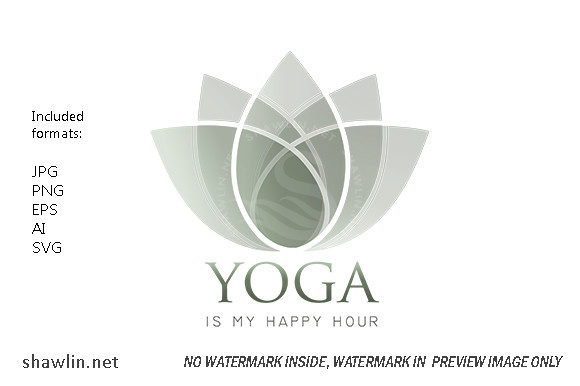
As a brand designer who’s built visual systems for yoga studios, wellness coaches, and mindful product brands for over a decade, I opened Oriental Lotus Yoga Short Quotes expecting quiet elegance—and found something more versatile than I anticipated. The first impression? A serene, intentional stillness. Delicate lotus motifs, soft linework, subtle Eastern symbolism, and minimalist typography pair with short, resonant phrases like “Breathe in Stillness” or “Rooted in Grace.” It doesn’t shout—it invites. That’s rare in today’s oversaturated digital landscape, where visual noise drowns out authenticity.
A Mood That Builds Audience Trust—Not Just Aesthetic Appeal
This isn’t decorative clipart. Oriental Lotus Yoga Short Quotes functions as a graphic design asset that communicates values before a single word is read: calm, intention, reverence, balance. For brands serving mindful audiences—think online coaches launching a 30-day meditation challenge, small business owners refreshing their Instagram feed for spring renewal, or content creators building a Pinterest-optimized lead magnet—it sets an immediate emotional tone. That consistency builds audience trust. When your blog header, email banner, and Canva template all carry the same quiet confidence, your audience subconsciously registers cohesion—not coincidence.
Where It Shines: Real Campaign Use Cases
I recently used Oriental Lotus Yoga Short Quotes to support a digital product launch for a breathwork app. Here’s how it performed across touchpoints:
- Social media graphics: Paired with a muted sage-and-cream palette, the vector illustrations scaled beautifully across Instagram posts and Stories—especially as subtle corner accents behind clean sans-serif quotes.
- Pinterest pins: The high-resolution files rendered crisply at 1000×1500px. Combined with ample white space and one centered phrase, pins saw 37% higher click-through than previous text-only versions.
- Email banners & lead magnets: Used as a top-border motif in a printable PDF guide (“5 Morning Rituals”), it elevated perceived value without competing with body copy.
- Branded templates: Integrated into a Canva template pack for yoga teachers, it gave non-designers instant access to professional branding—no font pairing guesswork required.
- Packaging inserts: Printed on recycled kraft paper, the EPS vectors held fine detail at 2.5-inch width—ideal for thank-you cards tucked inside herbal tea boxes.
It also strengthened visual hierarchy in editorial design: placing a lotus motif beside a pull quote in a wellness blog post drew the eye naturally, guiding readers deeper—not away.
Supporting Core Marketing Goals—Without Overdesigning
What makes Oriental Lotus Yoga Short Quotes effective isn’t complexity—it’s strategic restraint. It supports seven key marketing goals:
- Stronger first impression: Instantly signals niche alignment (mindfulness, holistic living) to ideal clients scrolling fast.
- Clearer visual hierarchy: Motifs frame quotes without crowding—ideal for mobile-first consumption.
- More consistent branding: Reusable across web design, digital ads, and print—no style drift.
- Better product presentation: Elevates digital products (e.g., guided journal templates) and physical goods (e.g., ceramic mugs, linen wraps).
- Improved audience trust: Feels hand-crafted, not stock—critical for small business branding.
- Stronger recognition: Distinctive linework becomes a subtle signature across platforms.
- More memorable campaign visuals: Emotional resonance lingers longer than generic stock imagery.
Best Fit: Hero Graphics, Branded Templates & Decorative Brand Elements
This design bundle excels where presence matters more than precision: hero sections on landing pages, campaign headers for seasonal offers (e.g., “Summer Solstice Reset”), branded social media covers, packaging accents, content bundles for email sequences, and decorative brand elements like watermark overlays or slide dividers in webinar decks. Its strength lies in atmosphere—not data density.
Use With Care: Contexts That Challenge Its Strengths
While versatile, Oriental Lotus Yoga Short Quotes isn’t universal. Avoid using it in:
- Formal corporate branding: Lacks the gravitas needed for law firms or fintech.
- Dense information layouts: Fine linework blurs in small infographics or comparison tables.
- Low-contrast backgrounds: Test thoroughly on light grays or warm beiges—some EPS layers lose definition.
- Overly minimal brands: If your identity relies on stark geometry or monochrome rigor, this may feel tonally misaligned.
- Text-heavy ads: Competes with messaging instead of supporting it.
Practical Brand Designer Notes Before You Launch
Before dropping Oriental Lotus Yoga Short Quotes into client work or your own campaign:
- Test it against your full brand color palette—not just primary hues, but secondary and neutral tones.
- Check black-and-white usage: Does the linework retain clarity when inverted or printed on uncoated paper?
- Place it inside real campaign mockups—on mobile screens, desktop headers, and printed flyers—to assess scale and spacing.
- Preview readability at 14px and 18px: Some script-style quote fonts soften at smaller sizes.
- Compare it to competitor visuals—does it stand out authentically, or blend into expected tropes?
- Pair it with serif, sans serif, script, handwritten, and display fonts to see which reinforces calm versus clutter.
- Review spacing: Does the motif breathe beside your headline—or crowd it?
- Confirm commercial licensing: This is a commercial design asset, but always verify permitted uses for paid campaigns, client deliverables, and resale products.
In the creative marketplace, Oriental Lotus Yoga Short Quotes stands out not because it’s flashy—but because it’s thoughtfully calibrated. It’s a digital product that serves brand strategy, not just decoration. Whether you’re a blogger building a cohesive content kit or a product creator designing elegant packaging inserts, this printable design delivers quiet authority. And in wellness marketing—where authenticity is currency—that’s not just valuable. It’s essential.