Flower Doodle Vector Element
A Light, Lively Touch—Perfect for Handmade Charm
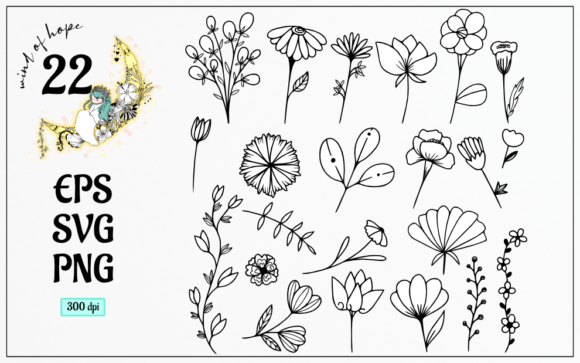
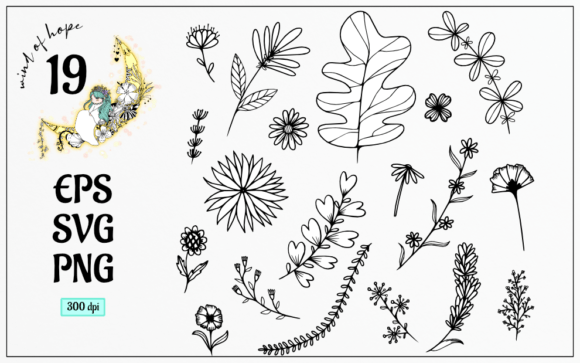
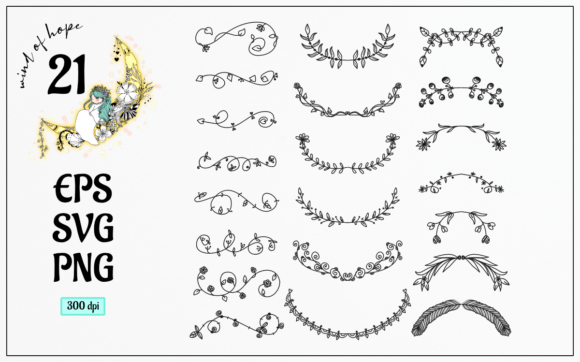
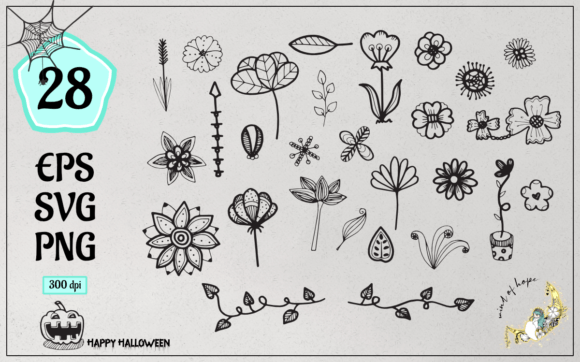
First impression? The Flower Doodle Vector Element feels like a breath of spring—loose, joyful, and intentionally imperfect. It’s not a stiff botanical illustration or a hyper-realistic bloom. Instead, it’s a hand-drawn-style floral motif with gentle curves, open negative space, and subtle asymmetry. There’s no heavy outlining, no dense petal layering—just confident linework and organic flow. That makes it ideal for projects where you want warmth and personality without visual clutter: think embroidered tote bags for a local café, baby onesies with quiet sweetness, or linen tea towels for a cottage-core Etsy shop.
How It Stitches Up in Real Projects
I tested the Flower Doodle Vector Element as the focal embroidery on a natural cotton tote bag—and it landed beautifully. Because the design leans into simplicity (no tiny stamens, no overlapping petals requiring complex underlay), stitch density stayed moderate. That meant clean satin-stitched stems, crisp running-stitch outlines where needed, and breathable fill areas that didn’t stiffen the fabric. On a medium-weight sweatshirt, it held shape well with tear-away stabilizer underneath; on a lightweight baby blanket, I switched to cut-away and reduced stitch count manually—still graceful, still legible.
It shines brightest when used as a standalone accent—not as a full-coverage pattern, but as a quiet signature: centered on a denim cap brim, tucked into the corner of a pillow cover, or stitched just above a pocket on an apron. As a machine embroidery design, it translates cleanly across common use cases: custom apparel, embroidered patches, nursery decor, holiday gifts (especially Mother’s Day or baby showers), and small-batch boutique merchandise. Its lightness helps it avoid looking “clip-art-y” in finished products—a real win for craft businesses aiming for handmade authenticity.
Where to Use It Thoughtfully
This isn’t a one-size-fits-all embroidery file. Its charm depends on context—and a little forethought.
- Small hoop sizes: At its native scale, it fits comfortably in a 4x4 hoop—but shrink it too far, and delicate loops and stem ends risk losing definition. Always test stitch at your intended size before committing to production.
- Textured or stretchy fabric: On terry cloth towels or ribbed knit caps, the open structure of the doodle can get lost. A light stabilizer + slightly denser satin stitch on outer edges helps anchor it visually.
- Dark or busy backgrounds: Since the included PNGs have translucent backgrounds, contrast matters. On charcoal fabric, I paired it with ecru thread—not white—to keep the softness intact. Avoid pale yellow thread on cream linen; it disappears.
- Curved surfaces: It works on caps, but avoid placing it directly over the crown seam. The natural curve distorts fine lines. Center it on the front panel instead.
- Frequent-wash items: For baby clothes or kitchen towels, confirm your satin stitch width and underlay settings—too narrow, and edges fray; too dense, and the fabric puckers over time.
What It Adds to Your Finished Product—Beyond Just Looks
The Flower Doodle Vector Element quietly elevates perceived value. It doesn’t scream “handmade”—it whispers it. Customers notice the intention behind the line weight, the balance between detail and restraint. That builds trust, especially for Etsy sellers and small shop owners who rely on repeat buyers and word-of-mouth. On personalized gifts—like a monogrammed pillow with this flower tucked beside the initials—it adds narrative without competing. In commercial embroidery, it reads as cohesive branding, not generic decoration.
Visually, it supports brand consistency for makers leaning into earthy, minimalist, or nostalgic aesthetics. It doesn’t dominate—it complements. And because it’s delivered as both vector (EPS/SVG) and high-res PNG, it scales cleanly for digital product previews, printable mockups, or even simple screen-printed versions if you expand your offerings later.
Practical Notes Every Embroidery Designer Should Check
- Test first on scrap fabric—same type, same color, same stabilizer you’ll use in production.
- Review thread color contrast in natural light *and* on camera. What reads softly in person may vanish in an Etsy listing photo.
- Inspect small details at actual stitch-out size: do stem tips taper cleanly? Are inner loops wide enough to hold shape?
- Confirm hoop size compatibility before digitizing or importing into your embroidery software. The EPS and SVG files give flexibility—but your machine’s limits are real.
- Try black-and-white mockups to assess silhouette strength. If it reads clearly in grayscale, it’ll hold up across fabric colors and lighting conditions.
- Use proper stabilizer—especially on knits or lightweight weaves. This design’s openness means it relies on fabric support more than a dense fill-stitch motif would.
- Verify licensing terms before selling finished items or bundling the files digitally. As a Graphics asset in the Web Elements category, its permitted uses aren’t stated here—so check the original source.
- Ask yourself: Does this support my customer’s story? A floral doodle on a yoga mat bag feels grounded and calm. On a toddler’s backpack? Playful and tender. Match intent to application.
Final Thought: A Design That Serves the Maker
The Flower Doodle Vector Element isn’t flashy—but it’s reliable. It doesn’t ask for special treatment, yet rewards attention to detail. It fits naturally into the rhythm of real embroidery work: prepping stabilizer, choosing thread, adjusting tension, stepping back to see how light catches a satin edge. For embroidery designers, craft business owners, and creative entrepreneurs, it’s less of a “design to drop in” and more of a thoughtful tool—one that helps you deliver handmade presence, not just stitched pixels. Whether you’re building a seasonal collection, fulfilling a custom request, or refreshing your Etsy banner with a printable mockup, this element earns its place by being easy to love—and easier to use well.