Collection Emoticon Expression Vector: Web Elements & Graphics
First Impression: Friendly, Flexible, and Surprisingly Versatile
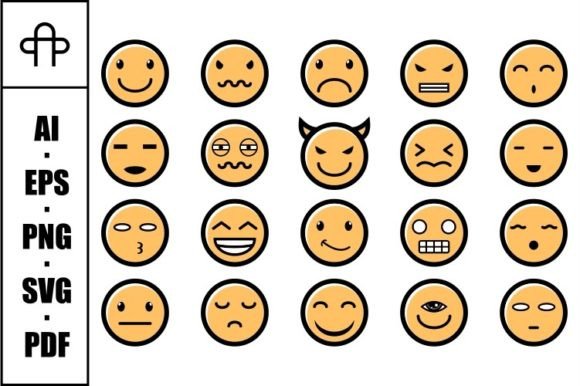
As a brand designer who’s spent years refining visual tone for startups, coaches, and product creators, my first reaction to the Collection Emoticon Expression Vector was immediate recognition—not of cliché, but of *intention*. These aren’t overused emoji knockoffs. They’re clean, expressive vector illustrations with balanced proportions, thoughtful line weight, and subtle personality. The mood leans warm and approachable—ideal for lifestyle brands, online educators, and small business owners who want to humanize their messaging without sacrificing polish. It feels equally at home in a playful Canva template for a summer launch or a refined Pinterest pin for a wellness brand’s lead magnet. This isn’t premium luxury design—but it *is* professional branding-grade graphics that elevate casual content into something cohesive and trustworthy.
Where It Shines: Real Campaigns, Real Results
I recently used the Collection Emoticon Expression Vector to refresh the social media visuals for a client launching a digital course on mindful productivity. We needed to soften technical messaging while reinforcing emotional benefits—clarity, calm, focus. These vectors became our secret weapon: placed beside headline text in Instagram carousels, layered subtly behind quote graphics for Pinterest, and animated as micro-interactions in email banners. They reinforced tone without competing with copy. In practice, the Collection Emoticon Expression Vector excels across high-impact touchpoints: social media graphics (especially Stories and Reels thumbnails), blog headers that break up dense content, branded Canva templates for teams, printable promotions like workshop handouts, and even packaging accents—think sticker sheets inside subscription boxes or cheerful icons on product labels.
Supporting Core Brand Goals—Without Overcomplicating
This graphic design asset delivers measurable value for small business branding and content marketing. It strengthens first impressions by adding instant emotional resonance to otherwise flat layouts. It improves visual hierarchy when used intentionally—as a focal point beside bold typography or as a rhythmic accent in editorial design. Because each emoticon is built as scalable vector art (AI, EPS, SVG, PDF) plus crisp PNGs, it scales flawlessly from website headers to mobile ads. That consistency builds audience trust. When your Instagram post, email banner, and downloadable checklist all share the same expressive language, recognition deepens—and so does connection. For creative entrepreneurs building digital products or printable designs, these vectors add warmth to otherwise utilitarian assets, making lead magnets feel more personal and media kits feel more distinctive.
Best Fit Use Cases
- Hero graphics for seasonal offers or product launches
- Branded templates in Canva or Figma for recurring content
- Social media covers and profile accents that reflect brand voice
- Packaging inserts and thank-you card illustrations
- Content bundles—think “50+ Emotive Visuals” as a digital product bonus
- Promotional banners for webinars, challenges, or limited-time sales
- Editorial layouts in newsletters or blog roundups where tone matters
Use With Intention—Not Everywhere
The Collection Emoticon Expression Vector isn’t universal. Avoid using it in formal corporate branding—think law firms or enterprise SaaS dashboards—where restraint is strategic. Steer clear in dense information layouts (like comparison tables or spec sheets), where clarity trumps charm. It loses impact at very small sizes (under 24px), so skip tiny mobile app icons or footnote accents. Don’t place it on low-contrast backgrounds—it needs breathing room and tonal separation. And if your brand identity is built on extreme minimalism (monochrome, ultra-thin fonts, generous whitespace), these emoticons may visually compete rather than complement. They’re expressive—not invisible.
Designer Notes You’ll Actually Use
Before dropping these into your next campaign, test them like a pro: pair them with your brand color palette—do they pop on your primary background? Check black-and-white usage; some emoticons rely on subtle gradients that vanish in grayscale. Drop them into real mockups: a Shopify product page, a Mailchimp email preview, an Instagram Story frame. Preview on mobile—not just desktop. Test readability at 75% scale—will that “celebration” icon still read as joyful, or just busy? Compare against competitor visuals: does it stand out *and* fit your category? Then, test typography pairings: it works beautifully with friendly sans serifs (like Poppins or Inter), adds contrast beside elegant serifs (Lora, Playfair), and balances well with light script fonts—but avoid heavy display or dense handwritten styles unless you’re going full playful branding. Finally, confirm commercial license. This is a commercial design asset—perfect for client work, paid ads, and digital product visuals—but always verify usage rights before scaling.
Why It Belongs in Your Creative Marketplace Toolkit
The Collection Emoticon Expression Vector bridges a critical gap: the need for expressive, on-brand visual shorthand that doesn’t require custom illustration time or budget. For bloggers, social media managers, and small business owners juggling content creation alone, it’s a force multiplier. It transforms generic marketing visuals into something emotionally anchored and recognizably *yours*. As a modern design asset, it supports authenticity without sacrificing professionalism—making it one of the most practical, high-return graphics in today’s web elements landscape. Whether you’re building a content kit, designing a digital ad, or refreshing your entire visual language, this collection delivers consistent, expressive, and commercially ready value.