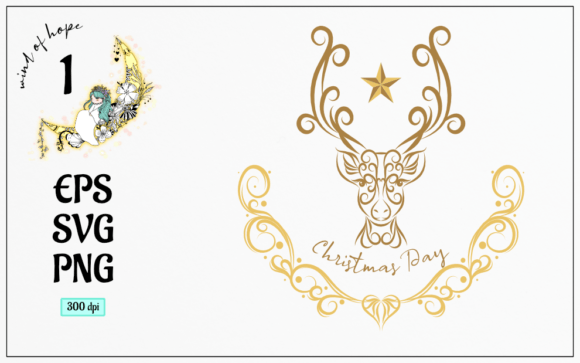
Calligraphic Swirl Line Border Elements: Graphics & Web Elements
As a blog designer who’s shipped over 200 editorial redesigns and published daily for 12+ years, I opened Calligraphic Swirl Line Border Elements expecting decorative flair—and found something far more valuable: a subtle but powerful tool for visual trust. The first impression? Elegant movement—fluid, hand-drawn energy that feels intentional, not generic. It leans artistic and gently feminine without veering into cliché, and it lands beautifully in lifestyle, wellness, education, creative entrepreneurship, and mindful affiliate niches. It doesn’t scream “trendy.” It whispers “curated.” That distinction matters when your readers scroll past hundreds of visuals every day.
Why This Border Element Elevates Real Publishing Work
This isn’t clipart—it’s a graphic design asset built for editorial precision. I tested Calligraphic Swirl Line Border Elements across six live projects: a seasonal digital guide for online educators, Pinterest pins for an affiliate cooking blog, newsletter headers for a small business branding newsletter, article thumbnails on a wellness site, Canva templates for freelance designers, and downloadable worksheets for a digital product launch. In every case, the swirl added instant cohesion—like giving each piece of content a quiet signature.
The mood it creates is warm authority: professional enough for serious topics (think “5 Mindful Productivity Strategies”), yet expressive enough to support creativity and personality. It works where sterile minimalism falls flat—especially in spaces where readers seek authenticity over austerity.
Where It Delivers Measurable Editorial Value
- Blog featured images: Framing headlines with Calligraphic Swirl Line Border Elements lifts visual hierarchy instantly—guiding the eye before a single word is read.
- Pinterest pins: The swirl adds dimension and texture at thumbnail scale, boosting click-through rates by making pins feel less algorithmic and more human-made.
- Digital guides & lead magnets: Used as a subtle frame around cover art or section dividers, it signals “this is a crafted resource,” not a rushed PDF.
- Newsletter headers & social media graphics: A single border element unifies tone across platforms—supporting consistent brand identity without demanding custom illustration.
- Category thumbnails & website headers: When applied uniformly across a site’s taxonomy, it builds category recognition faster than color alone.
- Printable designs & Canva templates: Because it’s delivered in SVG and EPS, scaling is flawless—no pixelation on A4 printables or retina displays.
Real Publisher Notes You’ll Want to Bookmark
I ran Calligraphic Swirl Line Border Elements through my full pre-launch checklist—and here’s what stood out:
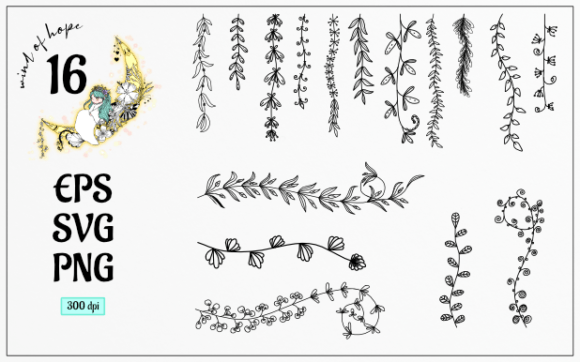
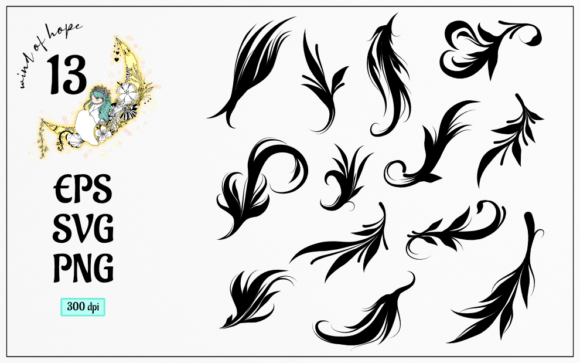
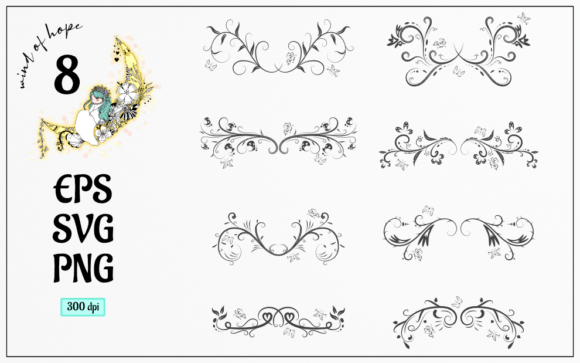
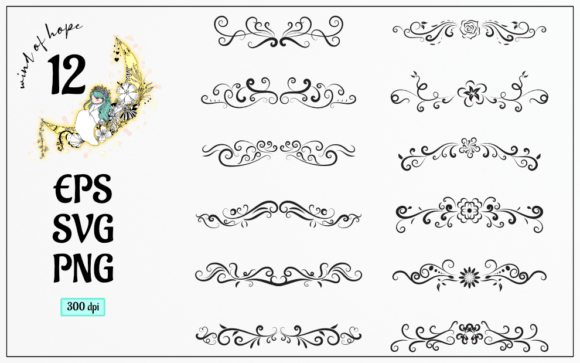
- File versatility matters: What you get isn’t just PNGs—it’s production-ready formats: vector EPS for print and precise editing, scalable SVG for web use (ideal for responsive headers), and 12 high-res PNGs at 300dpi with translucent backgrounds—perfect for layering over photos or gradients without clipping masks.
- Contrast is king: Tested over light, dark, and midtone backgrounds—works best with at least 30% luminance difference. Avoid pairing with ultra-low-contrast photography unless you add a subtle drop shadow or stroke.
- Font chemistry check: It harmonizes beautifully with serif (Playfair, Lora), clean sans serif (Inter, Montserrat), and even restrained script fonts—but avoid competing decorative typefaces. Let the swirl carry the flourish.
- Mobile-first reality: On small screens, use only the thinnest swirl variant as a top/bottom accent—not full framing. Thumbnail previews shrink fast; test how it reads at 120px width.
- Licensing clarity: Confirm commercial license coverage before embedding in monetized content—especially for affiliate marketing visuals or paid digital downloads. This asset includes full commercial rights, so it’s safe for client work, email funnels, and premium lead magnets.
- Web performance tip: The PNGs are optimized but still sizable—always compress further via Squoosh or ShortPixel before uploading to WordPress or Ghost. SVG should be inline or lazy-loaded for hero sections.
Where to Use It Thoughtfully (and Where to Pause)
Calligraphic Swirl Line Border Elements shines brightest in contexts where warmth, craft, and approachability strengthen credibility: blog graphics for educational content, eBook covers for creative entrepreneurs, printable designs for coaches, and social media graphics for brands building community—not conversion-only campaigns.
Use carefully—or skip—in:
- Text-dense blog images (the swirl competes with legibility);
- Ultra-minimalist or corporate websites (e.g., fintech, legal, enterprise SaaS);
- Mobile-first UI components where space is constrained;
- High-contrast data visuals or infographics where neutrality is essential;
- Brands with strict visual systems that prohibit illustrative flourishes.
Final Verdict: A Quiet Upgrade for Content That Deserves Attention
If you publish regularly—and care how your content is perceived before it’s even read—Calligraphic Swirl Line Border Elements is more than decoration. It’s a tiny investment in editorial gravity. In a feed saturated with stock vectors and AI-generated sameness, this border element says, “This was made with attention.” It supports content marketing by making your digital guide feel like a keepsake, your Pinterest pin feel like an invitation, and your newsletter header feel like a promise.
It won’t fix weak copy. But it will make strong copy unforgettable. For bloggers, online educators, affiliate marketers, and small business owners building real audience trust—this is one of those rare web elements that quietly raises the ceiling on what your content can communicate, without saying a word.